Archives
- 2026-08
- 2026-07
- 2026-06
- 2026-05
- 2026-04
- 2026-03
- 2026-02
- 2026-01
- 2025-12
- 2025-11
- 2025-10
- 2025-09
- 2025-03
- 2025-02
- 2025-01
- 2024-12
- 2024-11
- 2024-10
- 2024-09
- 2024-08
- 2024-07
- 2024-06
- 2024-05
- 2024-04
- 2024-03
- 2024-02
- 2024-01
- 2023-12
- 2023-11
- 2023-10
- 2023-09
- 2023-08
- 2023-07
- 2023-06
- 2023-05
- 2023-04
- 2023-03
- 2023-02
- 2023-01
- 2022-12
- 2022-11
- 2022-10
- 2022-09
- 2022-08
- 2022-07
- 2022-06
- 2022-05
- 2022-04
- 2022-03
- 2022-02
- 2022-01
-
BW 723C86 hydrochloride The ARHL locus ahl that contributes
2024-02-06
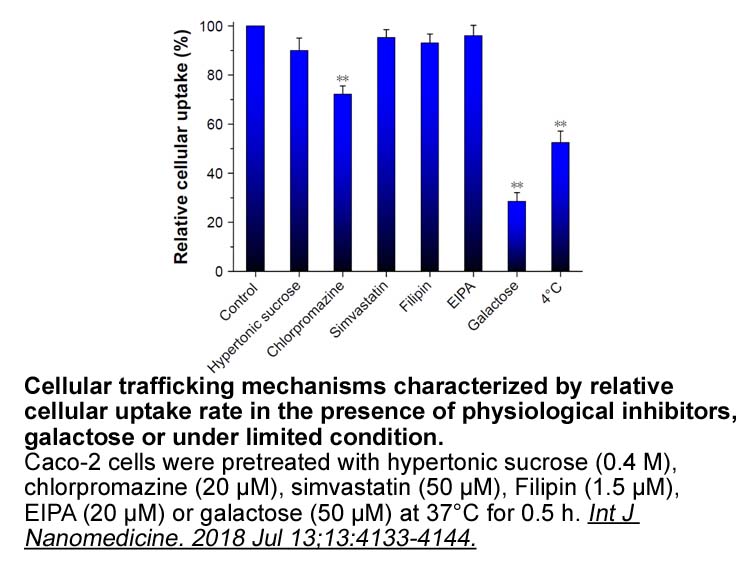
The ARHL locus (ahl) that contributes to the hearing loss in the C57BL/6J mouse has been mapped to chromosome 10 (Erway et al., 1993, Johnson et al., 1997). It has been shown that strains susceptible to early onset ARHL carry a specific mutation in the cadherin 23 gene (Cdh23), which encodes a compo
-
br Concluding remarks Autophagy ensures cell
2024-02-06
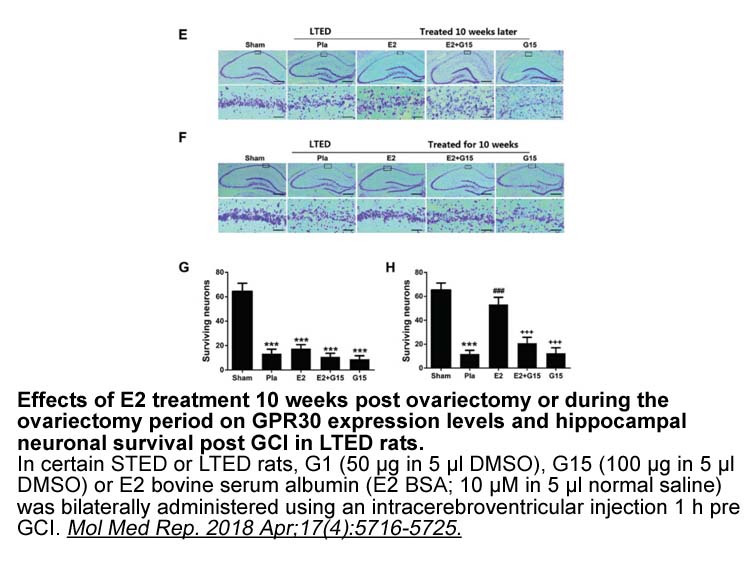
Concluding remarks Autophagy ensures cell homeostasis and survival through the continuous degradation/recycling of intracellular components. It can also represent a conserved, cell-intrinsic, defense mechanism against invading pathogens, including viruses. The autophagy process can be activated r
-
Tumor suppressor ARF regulates the activity of
2024-02-05
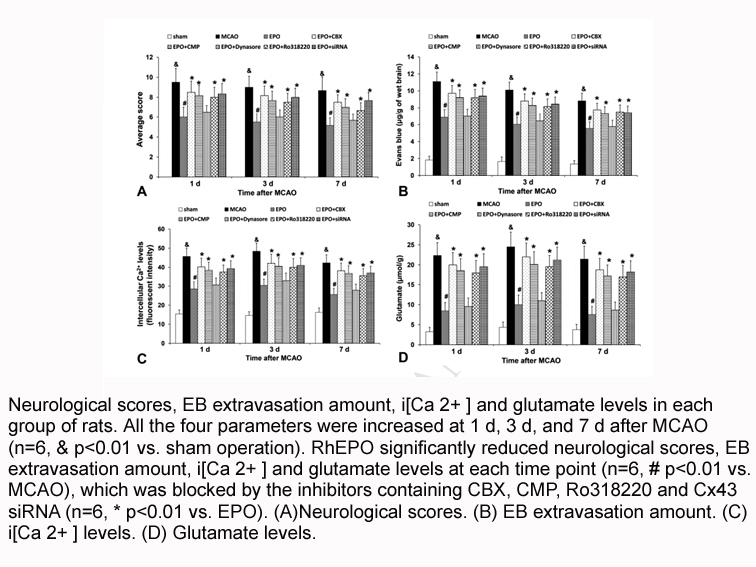
Tumor suppressor ARF regulates the activity of p53 by inhibiting the functions of Mdm2. ARF is induced by hyperproliferative signals emanating from oncogenic Ras, overexpressed c-myc, and from deregulated E2F . ARF prevents p53 degradation and leads to increased p53 function by sequestering Mdm2 to
-
AZD6738 br Acknowledgements We would like to
2024-02-05

Acknowledgements We would like to thank Dr. Thomas Blanpied, Sai Sachin Divakaruni, Dr. Helmut Kessels, Feline Lindhout, Dieudonnée van de Willige, and all members of the MacGillavry lab for discussions and critical reading of the manuscript. This work was supported by NWO (ALW-VENI 863.13.020, A
-
The mitogen activated protein kinase MAPK
2024-02-05
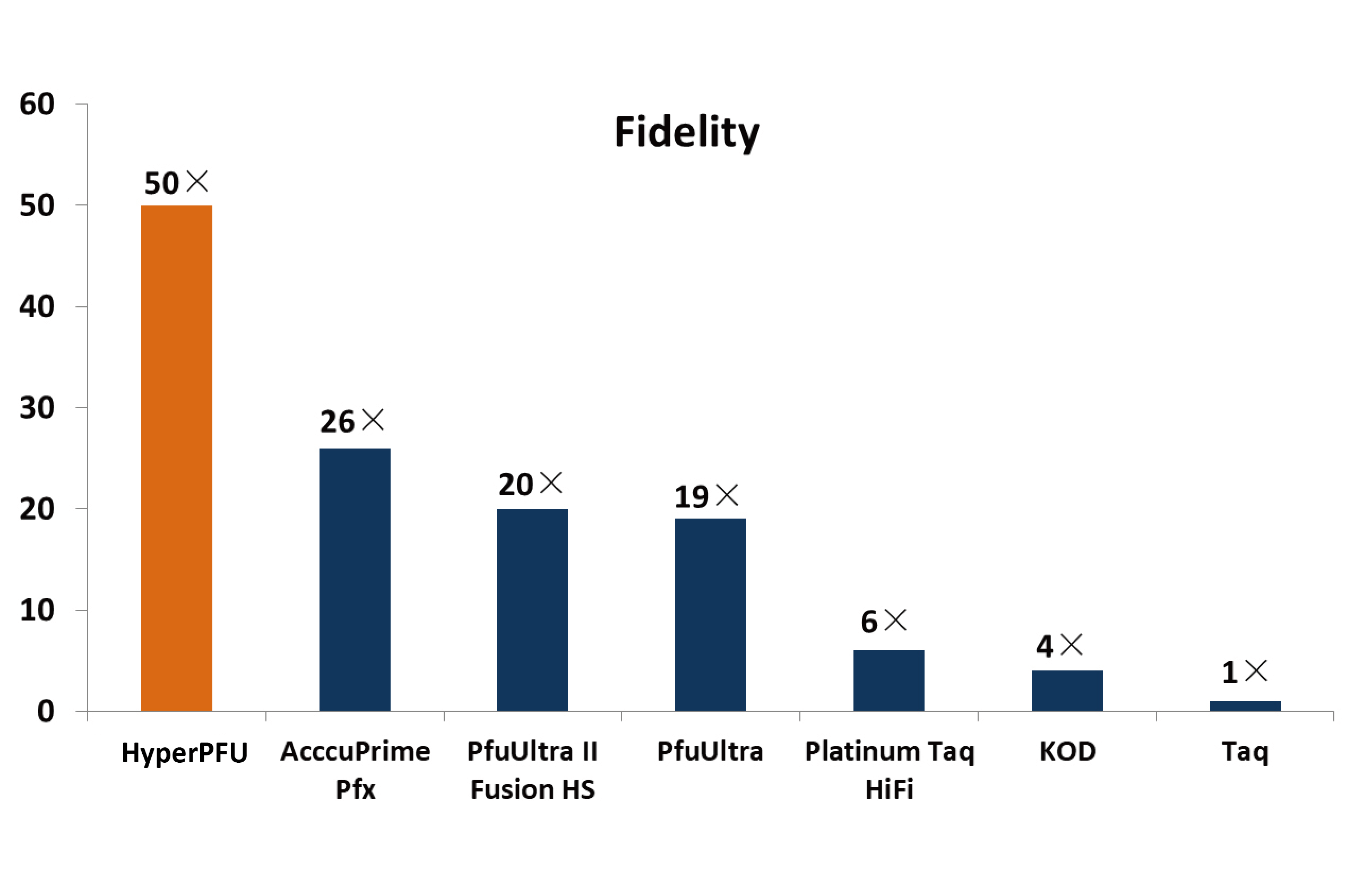
The mitogen-activated protein kinase (MAPK) plays an important role in a variety of cell processes by controlling transcriptional or translational regulation [14]. There are three major MAPK family members that have been well characterized: extracellular signal-regulated kinase (ERK), c-Jun N-termin
-
Mitochondrial dysfunction resulting from mtDNA abnormalities
2024-02-05
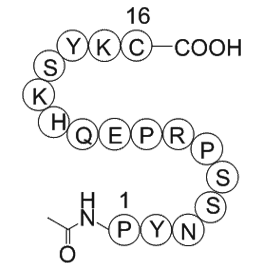
Mitochondrial dysfunction resulting from mtDNA abnormalities may trigger retrograde signaling pathways from the mitochondrion to the nucleus, which regulate the expression of genes involved in diverse cellular processes, including metabolism, stress responses, tumor progression, nutrient sensing, li
-
Several strategies have been employed to design
2024-02-05
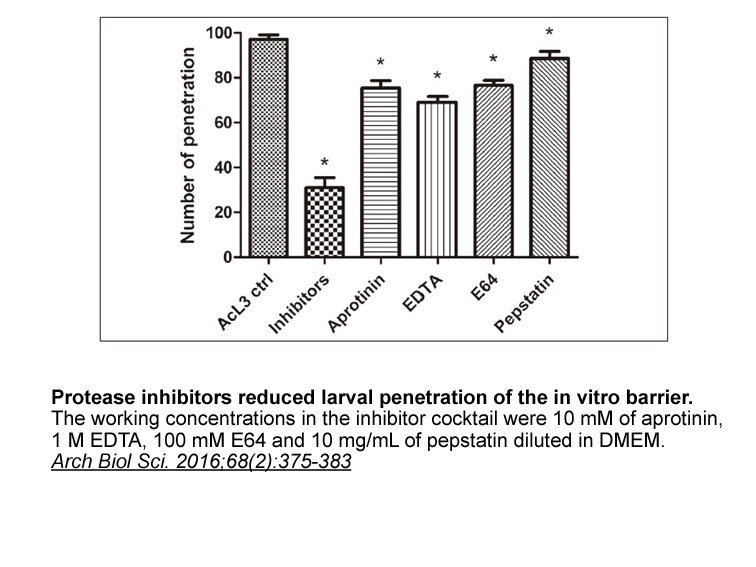
Several strategies have been employed to design and engineer peptide biosensors of kinase activity, which are quite different from the strategies developed to generate genetically encoded KARs. In all cases, FAUC-365 induces changes in the spectral properties of the fluorophore(s) incorporated into
-
Introduction Heterotrimeric G proteins mediate signal transd
2024-02-05
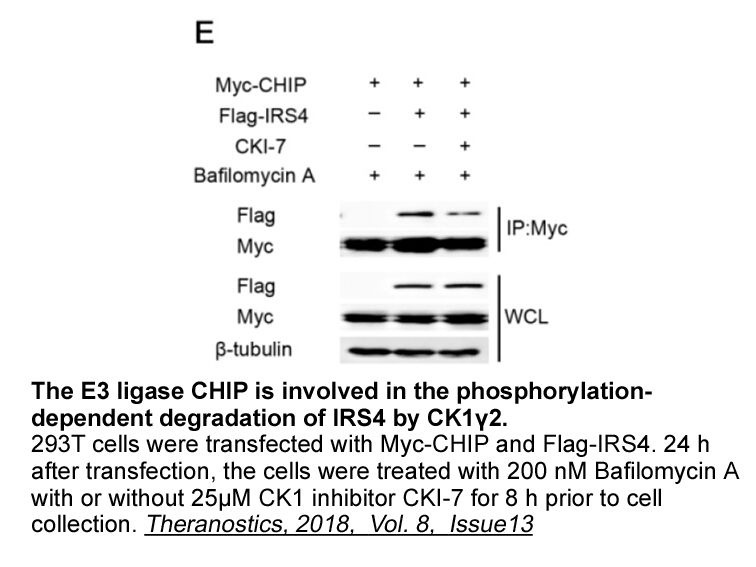
Introduction Heterotrimeric Gαβγ proteins mediate signal transduction through seven-transmembrane domain receptors. In response to neurotransmitters or hormones, activated receptors bind GTP via the Gα subunit leading to the dissociation of Gα from the Gβγ dimer. G proteins regulate the levels of s
-
br Experimental and computation Standard samples of
2024-02-05
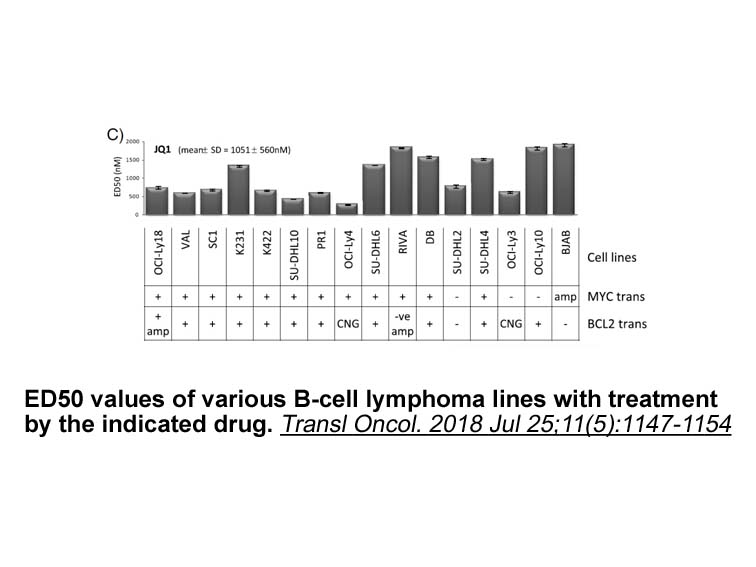
Experimental and computation Standard samples of artemisinin (1) and artemether (2) were purchased from China National Institutes for Food and Drug Control. Their ECD spectra, at a concentration of 1.0–5.0mg/mL in ethanol, were recorded in a quartz cuvette of 1mm optical path length using a Jasco
-
γ-Linolenic Acid methyl ester australia In summary the CV an
2024-02-05
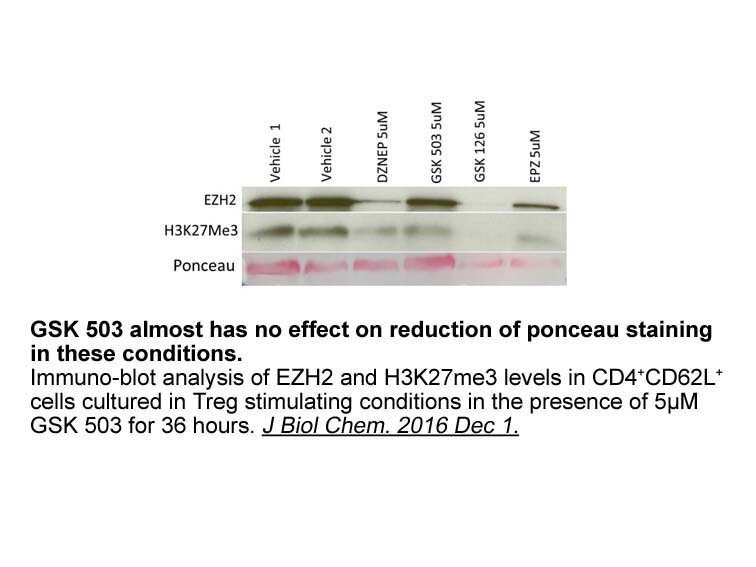
In summary, the CV and renal benefits of sacubitril/valsartan in HF patients are attributed to the increased levels of peptides that are degraded by neprilysin and the simultaneous inhibition of the effects of AT1 receptor by valsartan (Fig. 1). Physical and chemical properties Sacubitril/Valsar
-
NESS 0327 receptor br Natriuretic peptides and neprilysin Le
2024-02-05
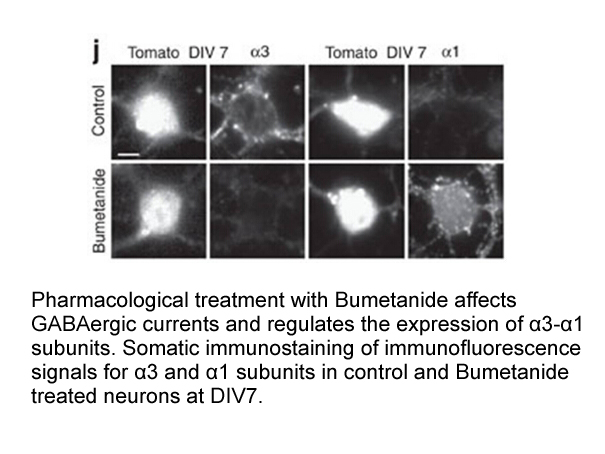
Natriuretic peptides and neprilysin Left ventricular systolic function, most commonly due to myocardial damage as a consequence of coronary artery disease, hypertension or both, and leading to sustained, pathological activation of the renin angiotensin NESS 0327 receptor system (RAAS) and sympat
-
DC260126 br AR signaling and urothelial cancer progression A
2024-02-05
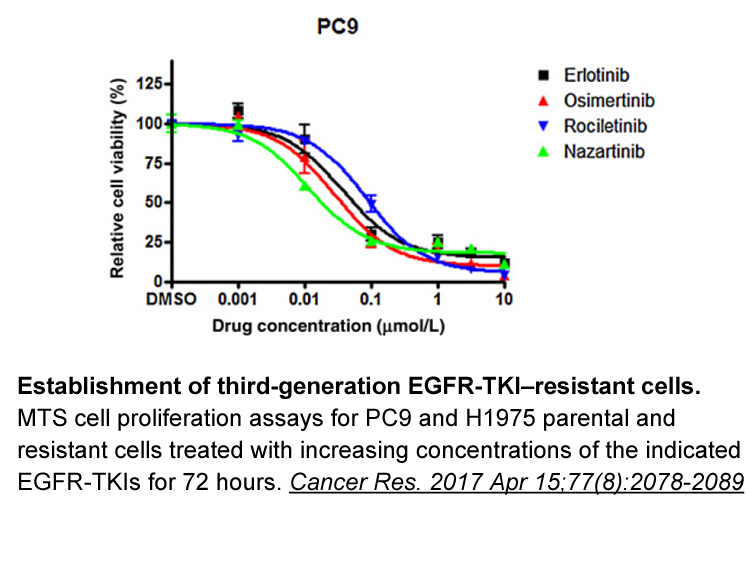
AR signaling and urothelial cancer progression As shown in other types of malignancies, such as prostate cancer cells, it has been documented that androgens induce AR expression and its nuclear translocation as well as ARE promoter activity in urothelial cancer cells (Chen et al., 2003, Izumi et
-
br Acknowledgments The authors thank Claudia Wittrock for he
2024-02-05
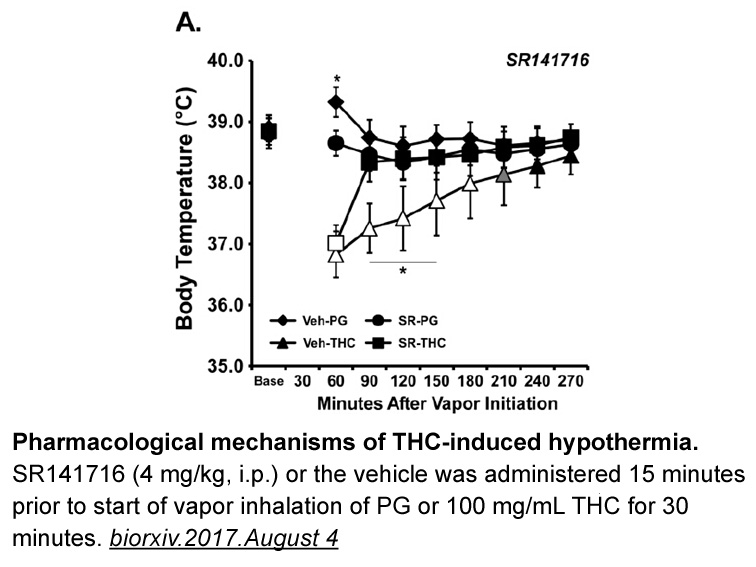
Acknowledgments The authors thank Claudia Wittrock for her excellent technical assistance. The work was supported by grants of the Deutsche Forschungsgemeinschaft (SFB974 TP B05) and of the Anton-Betz-Stiftung to N.K. A.M. is an associate member of the iBrain graduate school at the University of
-
br Conclusion br Introduction Lung cancer
2024-02-05
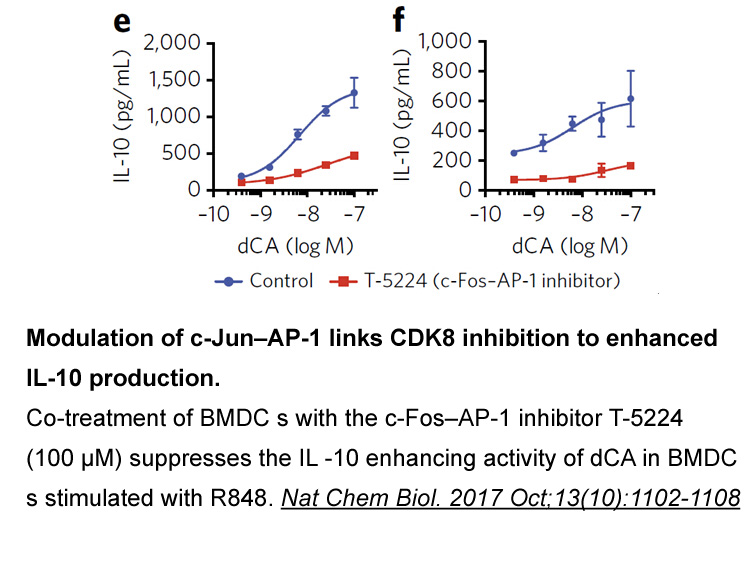
Conclusion Introduction Lung cancer is the principal cause of death by cancer and the third most common cancer worldwide (Sorber et al., 2016). Lung cancer has two main types: small cell carcinomas (approximately 20%) and non-small cell lung cancers (NSCLC) (about 80%) (Fan et al., 2016). NSC
-
There are human genes in the SLC A family
2024-02-05
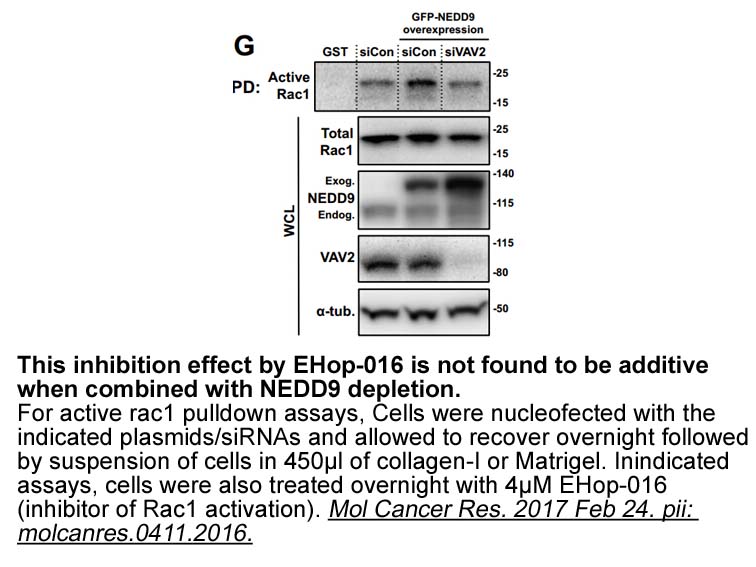
There are 12 human genes in the SLC5A family, and 6 of these are expressed in human heart (Table 2). Little is known about SGLT proteins in the heart. Zhou et al. [56] reported the presence of SGLT1 mRNA in the human heart. Researchers have found that levels of SGLT1 mRNA in heart are approximately
8460 records 227/564 page Previous Next First page 上5页 226227228229230 下5页 Last page